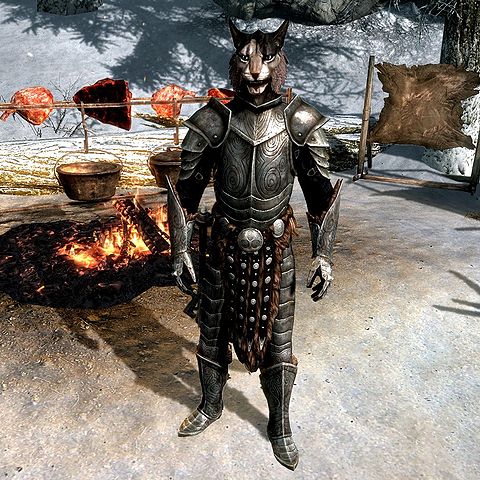
You were born beneath caravan canvas, three days south of Leyawiin, while rain hammered the road hard enough to drown every other sound. Your mother later claimed this was why you never trusted a roof that could not be folded and carried away. A permanent wall, she warned, teaches its owner to fear everything beyond it.
The caravan taught you numbers, weather, and suspicion. Merchants smiled at Khajiit goods and counted their fingers afterward. Customs officers invented fees whenever the wagons looked prosperous, while guards who ignored bandits found tremendous courage when confronting traders outside a city gate. You learned early that authority was usually hunger wearing a badge.
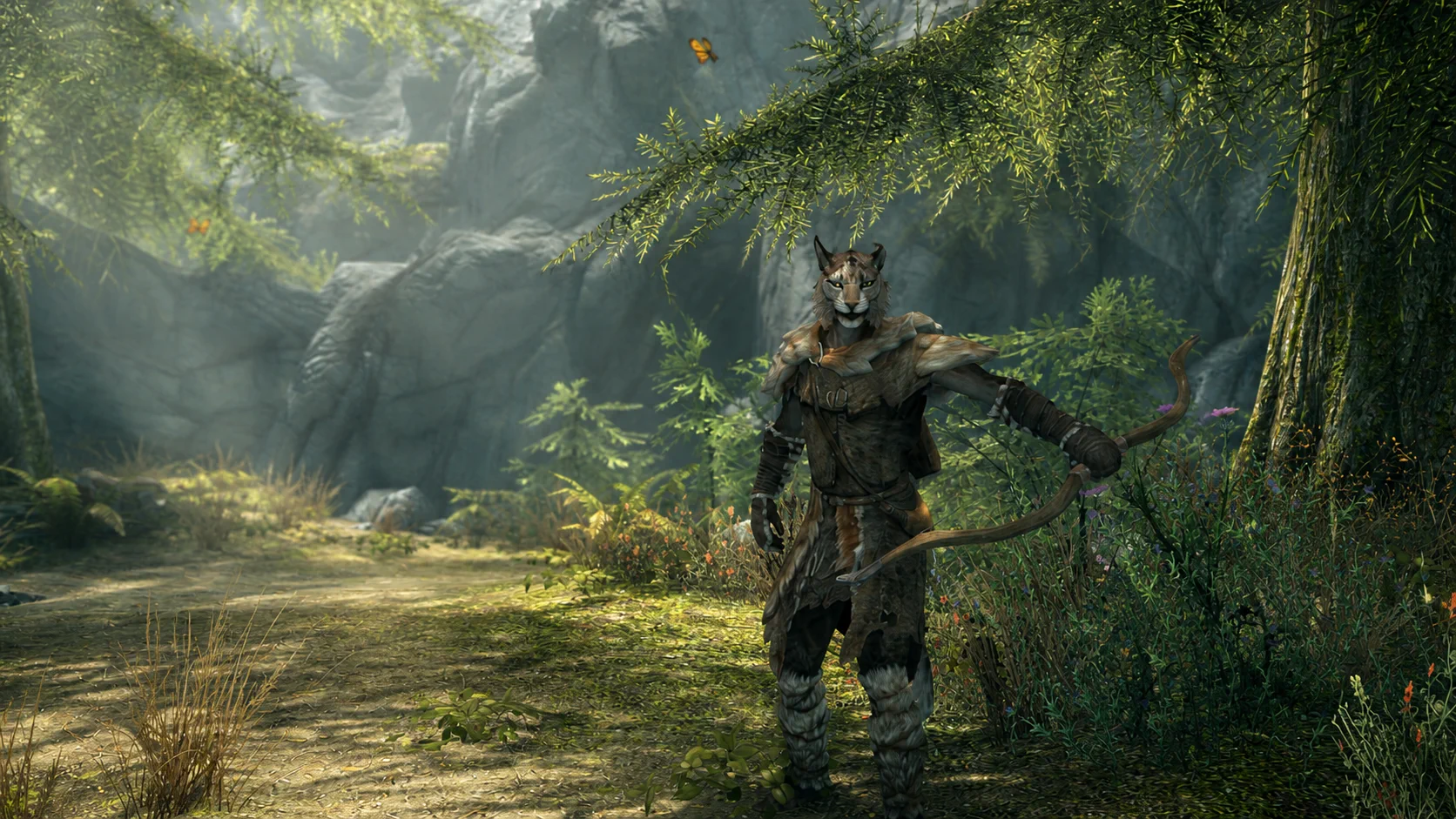
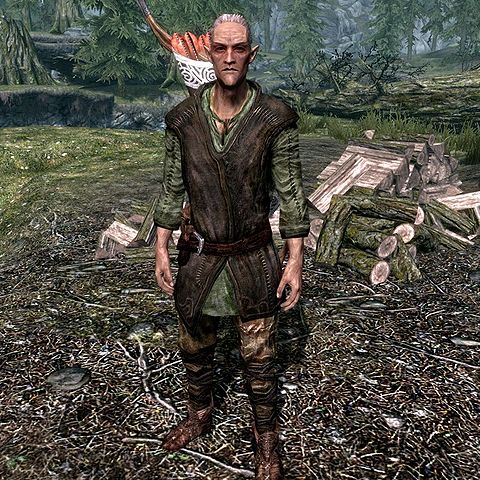
You preferred the hunters who visited camp at dusk. They spoke plainly, paid without sermons, and knew which streams carried sickness after heavy rain. A Bosmer showed you how to read the sudden silence of birds. An old leatherworker taught you to cut around a damaged hide so that waste did not multiply an animal’s death. Before you were grown, you could bring meat to the fire and turn its pelt into something worth more than the arrows used.
Alchemy began as another form of thrift. Bruised mountain flowers, insect wings, and roots too bitter for cooking became salves, poisons, and trade bottles. You never admired robed scholars merely for naming every property in careful books. You admired a paste that stopped bleeding before a troll found the scent.
Your hatred of ownership sharpened near Bravil, where a local lord declared the forest surrounding three villages his private preserve. Families who had hunted there for generations became poachers by proclamation. Their traps were burned, their bows confiscated, and an old man was hanged for taking a deer during winter. You entered the preserve the following night, killed the lord’s prized stag, and left its antlers above the tax office.
For the next year you travelled north beneath several names. Farmers paid for wolves killed, innkeepers bought venison, apothecaries argued over your potions, and careless townsfolk sometimes discovered their purses lighter after insulting a Khajiit hunter. You came to regard crime as another wilderness tool: useful in moderation, dangerous when indulged, and seldom as wicked as the laws protecting a rich man’s hoard.
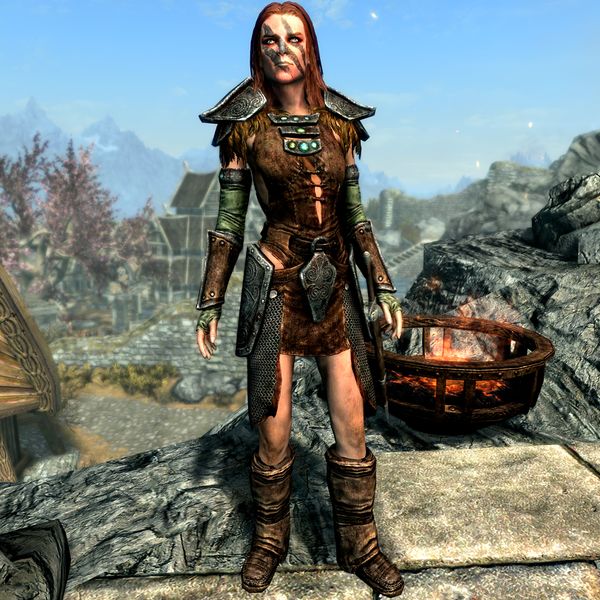
Rumours of Skyrim promised forests broad enough to disappear inside and predators fierce enough to test an experienced bow. A hermit named Froki was said to preserve Kyne’s oldest hunting trials. A woman called Angi trained archers beyond the reach of any jarl. The Companions paid hunters for dangerous animal work, and somewhere beneath Riften the Thieves Guild bought goods whose histories invited no questions.
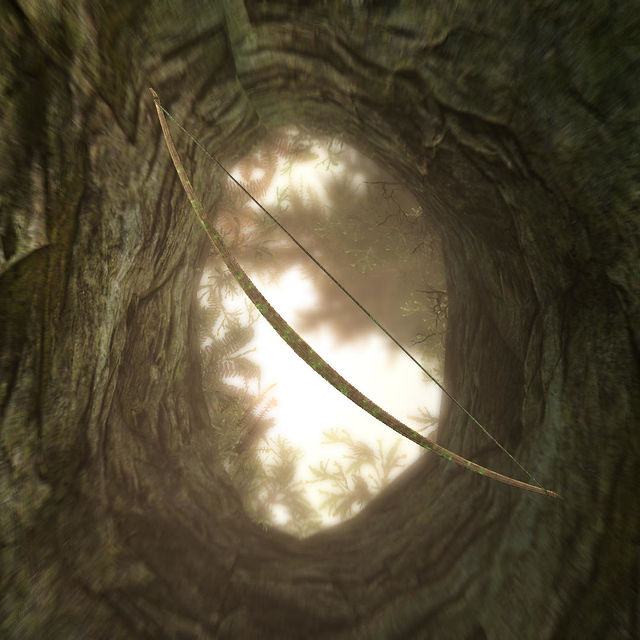
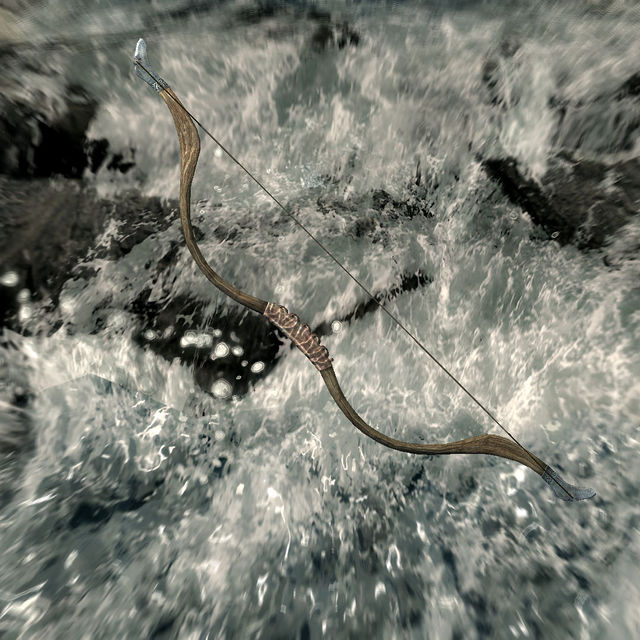
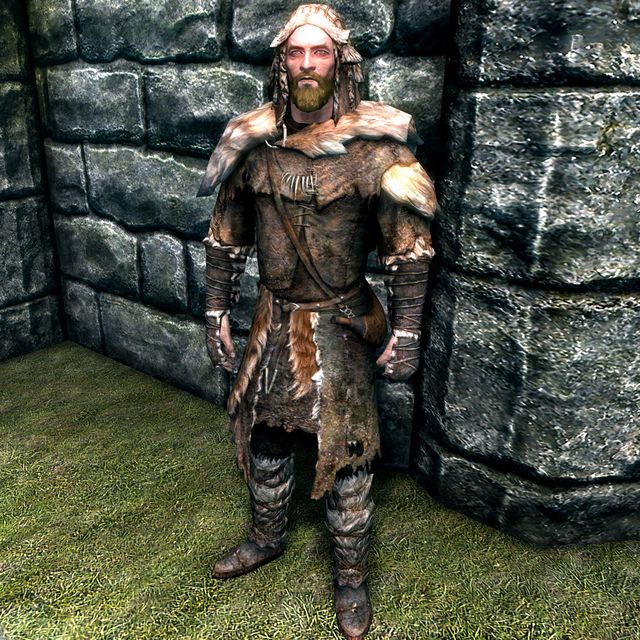
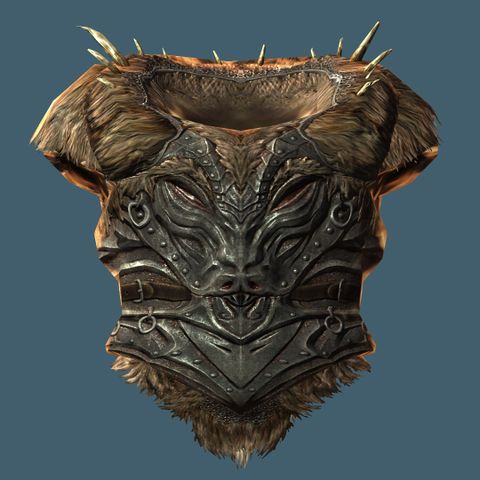
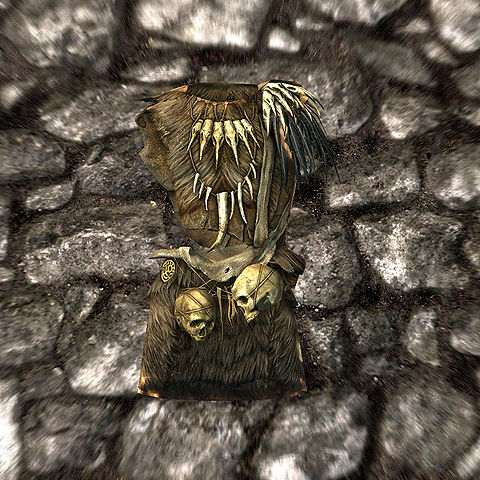
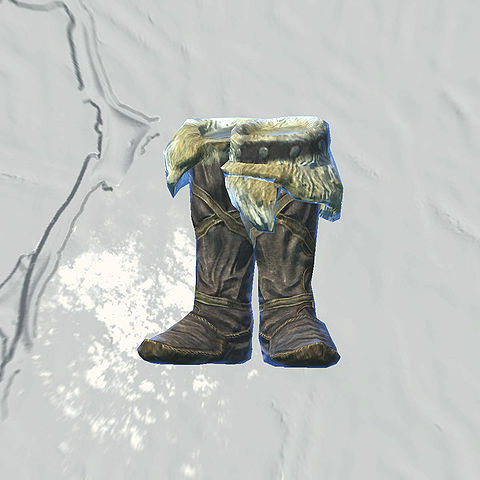
You crossed the border carrying fur armor, green robes wrapped against the rain, a hunting bow, two empty potion bottles, and no document granting permission to own any of them. An Imperial patrol found the absence of papers more interesting than the absence of a crime. Their search uncovered poisons, lockpicks, and a freshly cut deer hide.
Poaching, smuggling, unlicensed alchemy, suspected theft—the charges accumulated faster than you could laugh at them.
Your wrists were bound, your bow thrown into a supply wagon, and your bedroll abandoned beside the road. The patrol placed you on a cart with rebels, thieves, and a silent horse-thief who appeared no more fond of authority than you were.
As the cart turned toward Helgen, you watched the tree line and began counting the distance to cover.