Your first memory is of a ship trapped in black water.
Your father told you it had come from Atmora, though no ship had crossed that sea in living memory. Its mast was a dead pine wrapped in rime; its hull creaked beneath ice that never melted. On winter nights he would point north from the cliffs beyond Dawnstar and say that the homeland was still there, hidden behind storm and darkness, waiting for people strong enough to remember it.
Most in the village treated the tale as a comfort given to a child. Your father did not. He was a smith who kept old methods long after other craftsmen had adopted Imperial patterns, and he taught that every fold of metal carried an obligation. Your mother knew the healing charms used by hunters and midwives. She called herself no mage, yet she could close a wound with light and turn a fever before dawn. From them you learned that the first Nords had never divided strength into the false categories of sword and spell.
The barrows above the coast became your school. You learned letters from weathered stones, war from the men who guarded caravans, and magic from fragments of songs whose meanings survived after their melodies were lost. Frost answered most readily. It was not the wild cold that killed crops and sailors, but stillness given shape: a wall, a warning, a hand laid across the enemy’s advance. Restoration came just as naturally, and wards felt less like College spellcraft than the raising of an invisible shield.
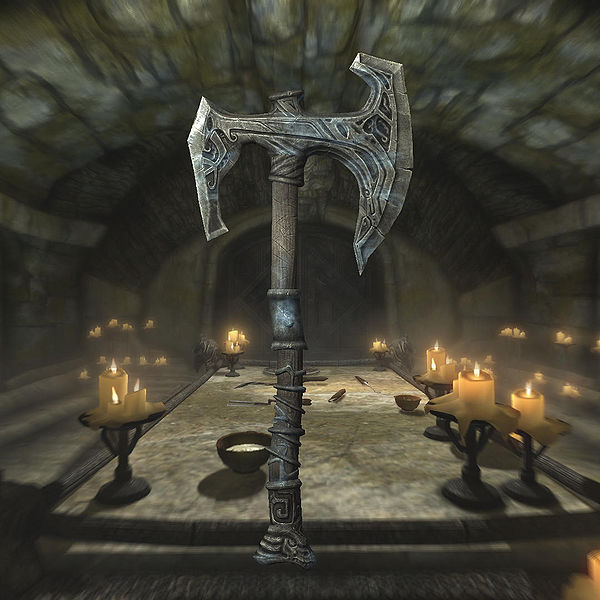
An old priest once named Ahzidal while watching you enchant an iron axe. He told you of the Nord who had learned every elven art he could find, surpassed the masters who taught him, and turned their knowledge against them. Others heard a warning in the story. You heard a challenge. Like Ahzidal, you would take any craft worth mastering without surrendering the purpose for which it was taken.
That purpose hardened when Thalmor agents came north in search of a Talos shrine. They spoke softly, carried lawful papers, and left three families without fathers. The local thane protested that his hands were bound by treaty. You decided then that a law written by the victor could still be an act of occupation, and that a Skyrim ashamed of its gods would soon become ashamed of its dead.
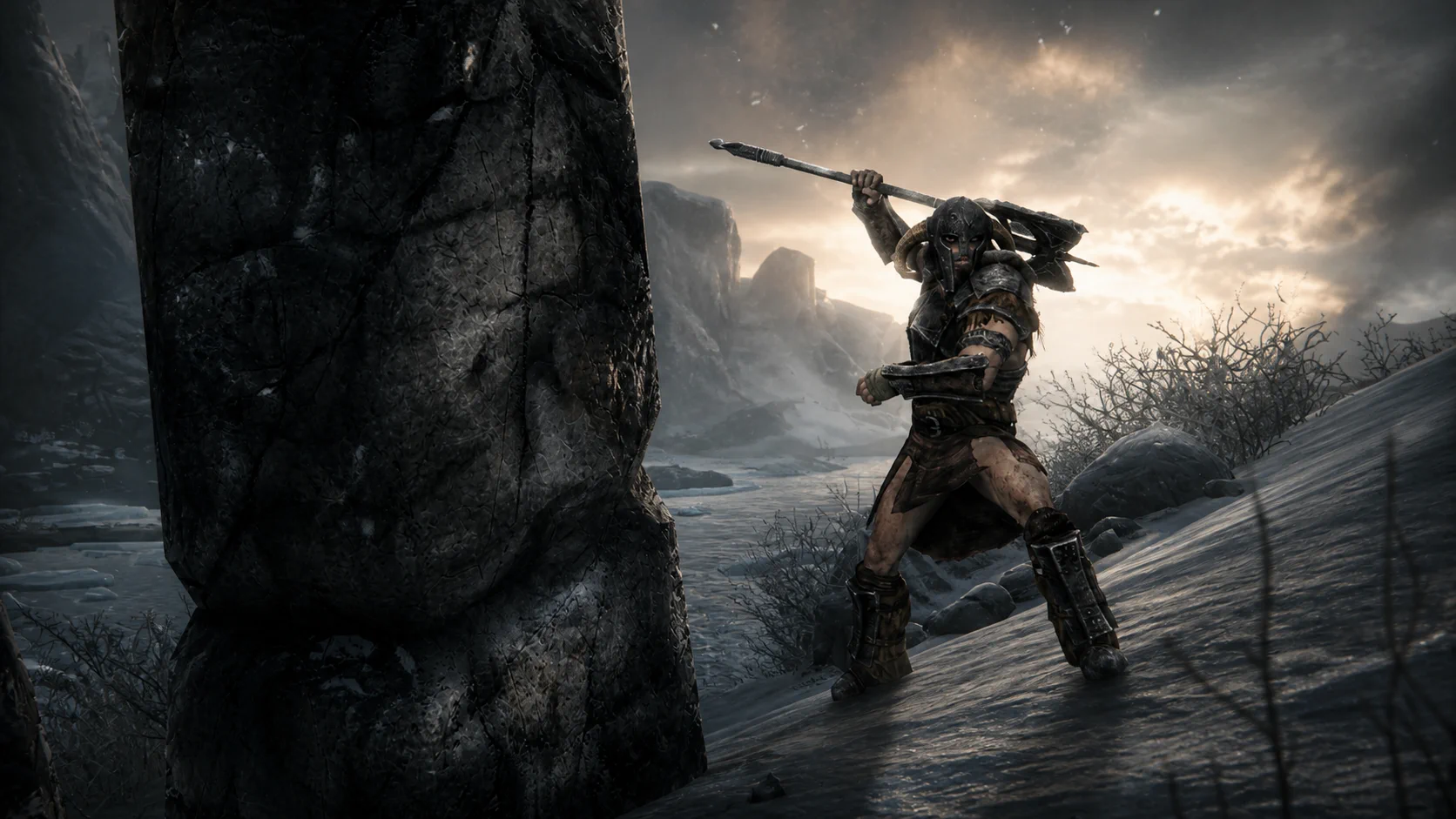
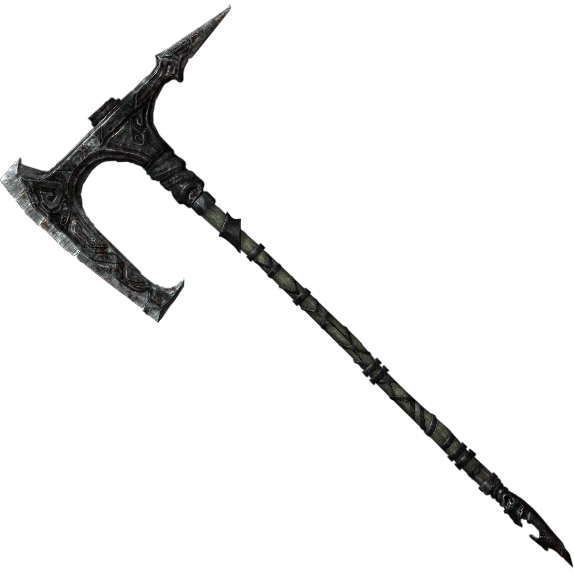
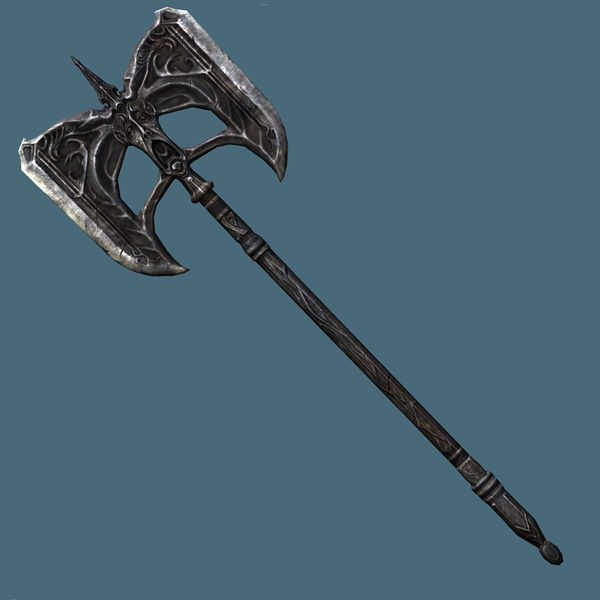
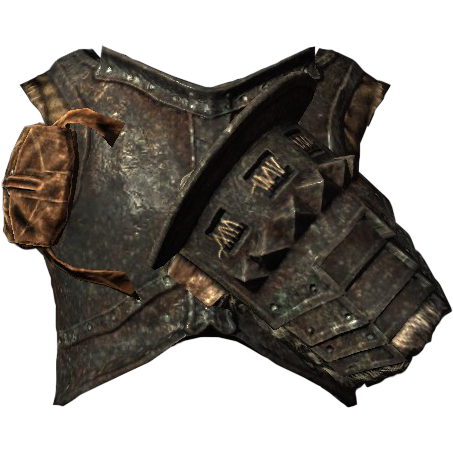
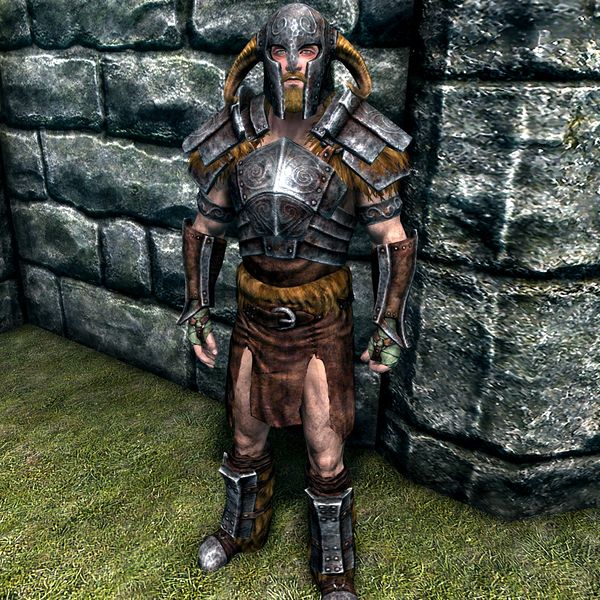
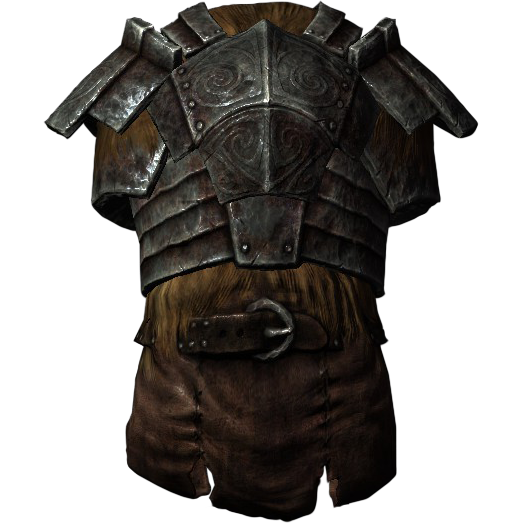
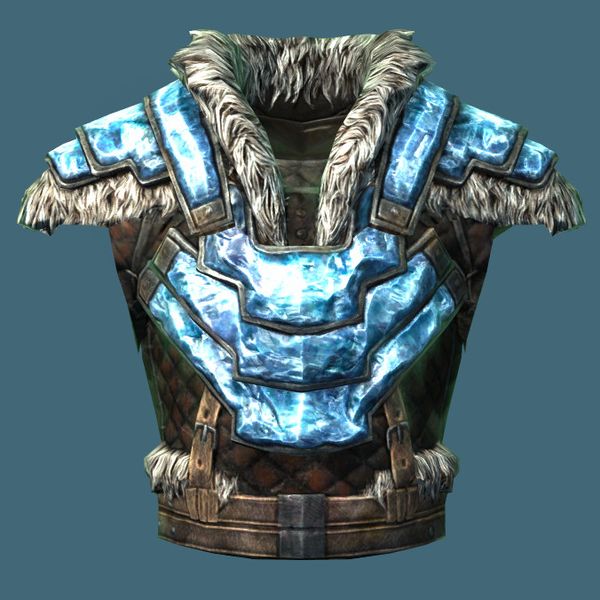
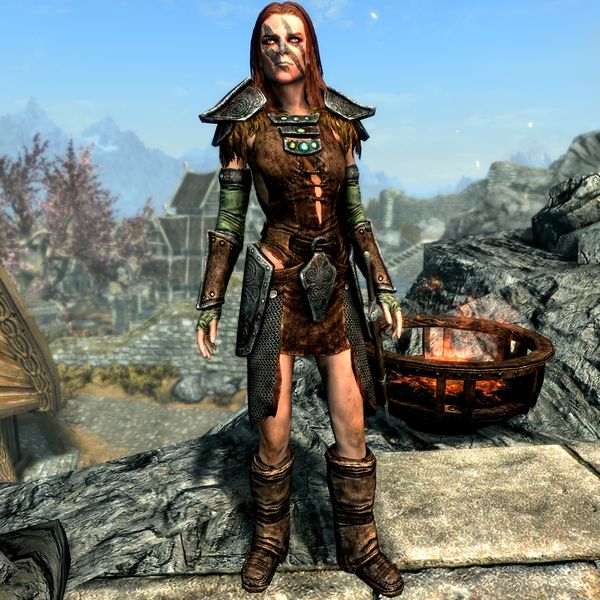
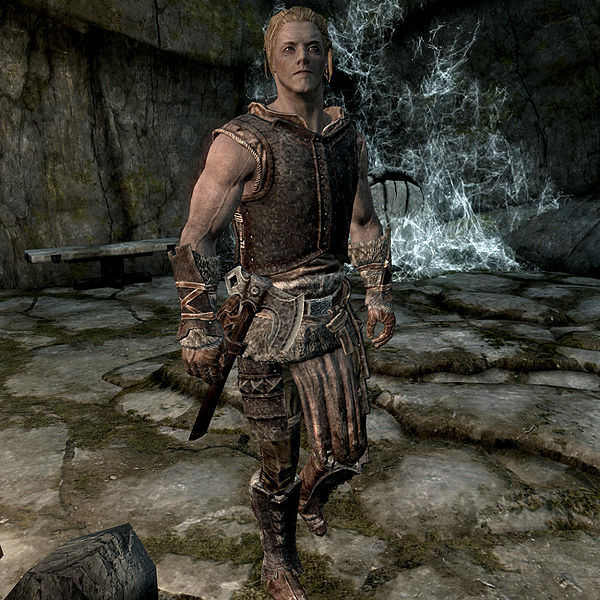
You left the coast wearing banded iron, a blue line of war paint across your face, and an unfinished battleaxe on your back. Before joining any banner, you made a pilgrimage to Kjenstag Ruins. At midnight, among stones older than the holds, you watched the ghost of a warrior walk the road as if the intervening centuries meant nothing. The sight gave form to everything your father had taught: the past was not gone. It was waiting for the living to finish its work.
Rumor said Ulfric Stormcloak had killed a king with the Voice and raised the bear of rebellion in Windhelm. You did not yet know whether he was the hero his followers claimed, but the chance to hear a living Tongue—and to fight the Dominion’s influence with more than private anger—drew you south toward the border.
Your longer oath remained your own. You would enter every ancient ruin, gather the masks of the dragon priests, learn every word of power, and restore the weapons that had become little more than names in songs. You would prove that magic belonged as readily in a Nord’s hand as an axe, and that the clever men had not vanished simply because their descendants had forgotten what to call them.
Near Darkwater Crossing, Imperial soldiers close the road before you can reach Windhelm. They find frost salts, a Stormcloak token taken from a dead courier, and pages filled with sketches of old tombs. No explanation matters. Your hands are bound, your axe is taken, and you are placed on a cart beside the very man you came north to judge.
The cart turns toward Helgen. Above the pines, something vast moves through the clouds.